

Introduction / Overview of the Concept
Tooth decay is one of the most common dental concerns affecting people of all age groups. Many individuals may not notice a problem until discomfort begins, but in reality, cavities often develop silently over time. Recognizing an early cavity, understanding the signs of a cavity, and identifying an early stage cavity can make a significant difference in maintaining long-term oral health.
In everyday dental practice at Santosh Dental Care, patients frequently visit only after experiencing pain or visible damage. However, tooth decay begins much earlier, often without obvious symptoms. By the time noticeable discomfort occurs, the cavity may have progressed beyond its initial stage.
In a busy locality like Frazertown, Bengaluru, where dietary habits, frequent snacking, and lifestyle patterns can influence oral health, awareness becomes especially important. Many people search for answers like “what is a cavity” or “how do cavities look like,” trying to understand whether their symptoms require attention.
This blog provides a clear, patient-friendly explanation of cavities, their early signs, causes, and available treatment options. The goal is to help you understand the condition better and encourage timely dental evaluation when needed.
Patients regularly visit Santosh Dental Care not only from Frazer Town but also from surrounding neighborhoods. These include Benson Town, Cox Town, Shivaji Nagar, Coles Road/Park Area, Richard Town, Vasanth Nagar, and Banaswadi.
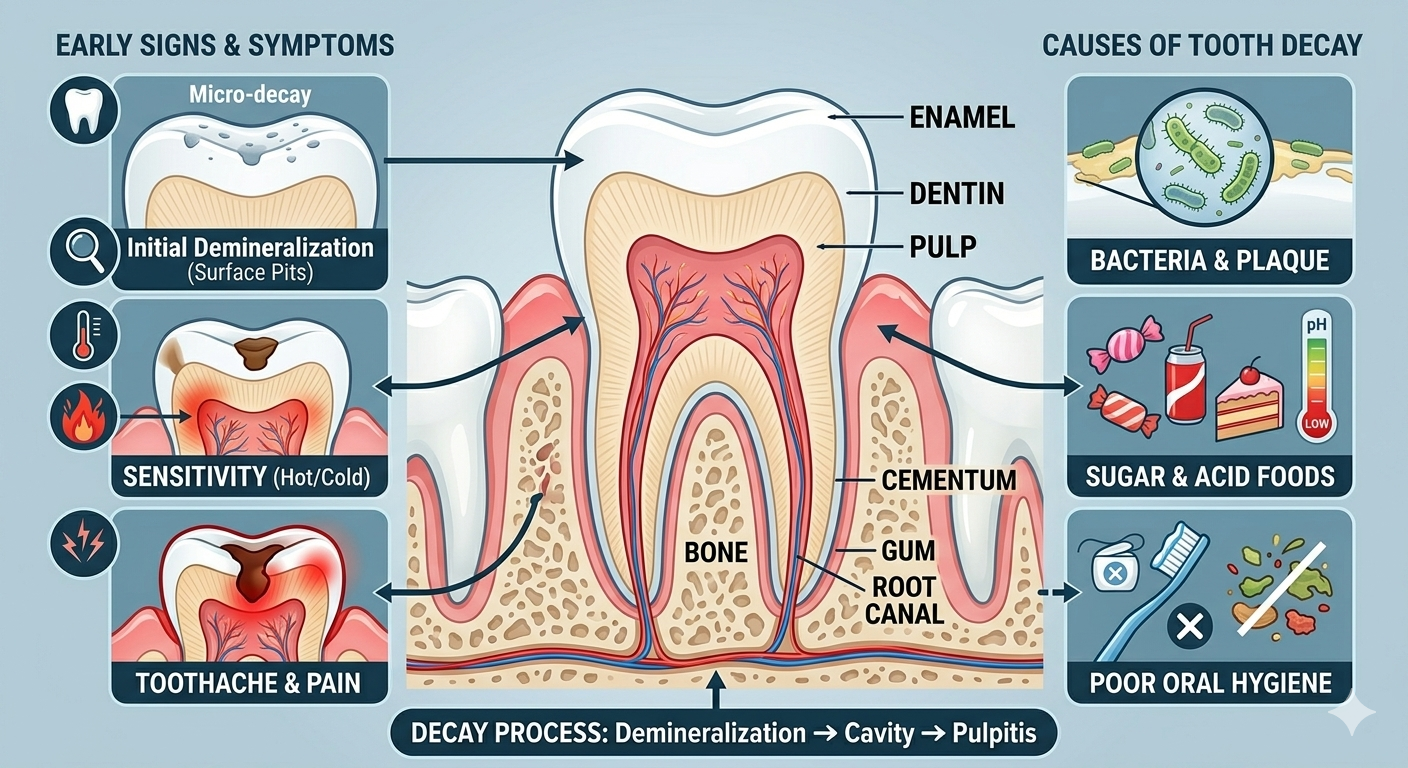
Understanding the Concept of Cavities
(What it is / Symptoms / Tips)
What is a Cavity?
A cavity is a small area of damage on the surface of a tooth caused by decay. It develops when bacteria in the mouth produce acids that gradually erode the tooth enamel.
If not addressed early, cavities can progress deeper into the tooth, affecting inner layers and leading to more complex issues.
Signs of a Cavity (Early and Advanced)
Recognizing cavity symptoms early can help prevent progression.
Early Stage Signs:
- White or chalky spots on teeth
- Mild sensitivity to hot, cold, or sweet foods
- Slight discoloration
Advanced Signs:
- Visible holes or pits in teeth
- Persistent toothache
- Food getting stuck in specific areas
- Bad breath or unpleasant taste
Patients often ask “how do cavities look like”—in early stages, they may not be visible, which is why regular check-ups are important.
Common Causes of Tooth Cavities
Understanding what causes cavities helps in prevention:
- Poor oral hygiene
- Frequent consumption of sugary foods
- Sticky foods that remain on teeth
- Bacterial plaque buildup
- Dry mouth (reduced saliva)
These factors contribute to the gradual breakdown of tooth enamel, leading to rotten teeth if untreated.
Practical Tips to Prevent Tooth Decay
- Brush twice daily with fluoride toothpaste
- Floss regularly
- Limit sugary snacks and beverages
- Rinse mouth after meals
- Schedule regular dental check-ups
These steps help reduce the risk of developing cavities and support long-term oral health.
Types of Treatment for Cavities
Treatment depends on how early the cavity is detected.
Non-Surgical / Conservative Options
In early stages:
- Fluoride treatments to strengthen enamel
- Improved oral hygiene practices
- Dietary modifications
In some cases, early intervention may help slow progression, often discussed in the context of reverse tooth decay.
Explore more:
- Preventive Dentistry
- Dental Check-Up Services
- Oral Hygiene Care
- Fluoride Treatment
- Cavity Prevention Programs
Interventional / Restorative Treatments
When decay progresses:
- Dental fillings
- Root canal treatment (for deeper infection)
- Crowns for structural support
These are commonly part of tooth cavity treatment plans.
Patients searching for “remove cavity from teeth” should understand that professional dental care is required for effective treatment.
Cost or Related Considerations About Cavities
The cost of cavity treatment varies depending on several factors:
Factors Affecting Cost:
- Severity of decay
- Number of affected teeth
- Type of treatment required (filling, root canal, crown)
- Materials used
- Follow-up visits
Patients often explore:
- Cost of fillings
- Advanced treatment requirements
- Preventive care expenses
It is important to note:
- Early treatment is usually simpler
- Costs increase if decay progresses
- Treatment plans are individualized
A dental consultation helps determine the most appropriate and cost-effective approach.
Why Choose Santosh Dental Care for Cavity Treatment
At Santosh Dental Care, dental care is focused on early detection and preventive management under the guidance of Dr. Sheetal B Saklecha.
Key Highlights:
- Comprehensive dental evaluation for early cavity detection
- Preventive and restorative care under one roof
- Patient education on oral hygiene and diet
- Use of modern techniques for diagnosis and treatment
- Focus on preserving natural teeth whenever possible
Patients receive guidance on both treatment and prevention, including advice on selecting appropriate cavity toothpaste and maintaining oral hygiene.
Patient Testimonials & Educational / Procedure Videos
Patients often benefit from:
- Understanding real experiences of cavity treatment
- Learning how early detection improves outcomes
- Watching educational videos on oral hygiene
These resources help:
- Clarify doubts about symptoms and treatment
- Encourage timely dental visits
- Improve awareness about causes of tooth cavity
Educational content also explains the difference between early and advanced tooth decay.
External Reference
For general oral health guidance, refer to World Health Organization:
Final Note
Cavities are a common but preventable dental condition. Recognizing early signs and understanding the causes can help you take timely action.
If you are unsure about your symptoms, a professional dental evaluation can provide clarity and help maintain long-term oral health.
