
Dental care for children and teenagers
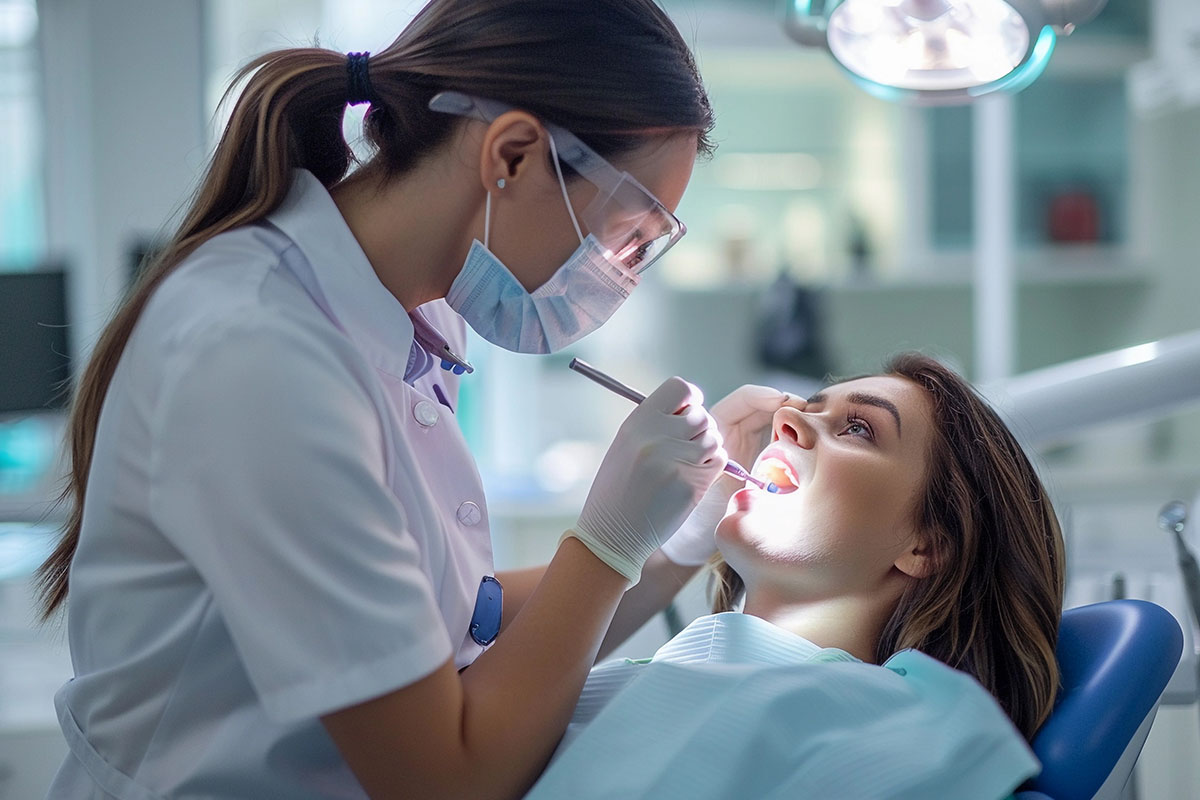

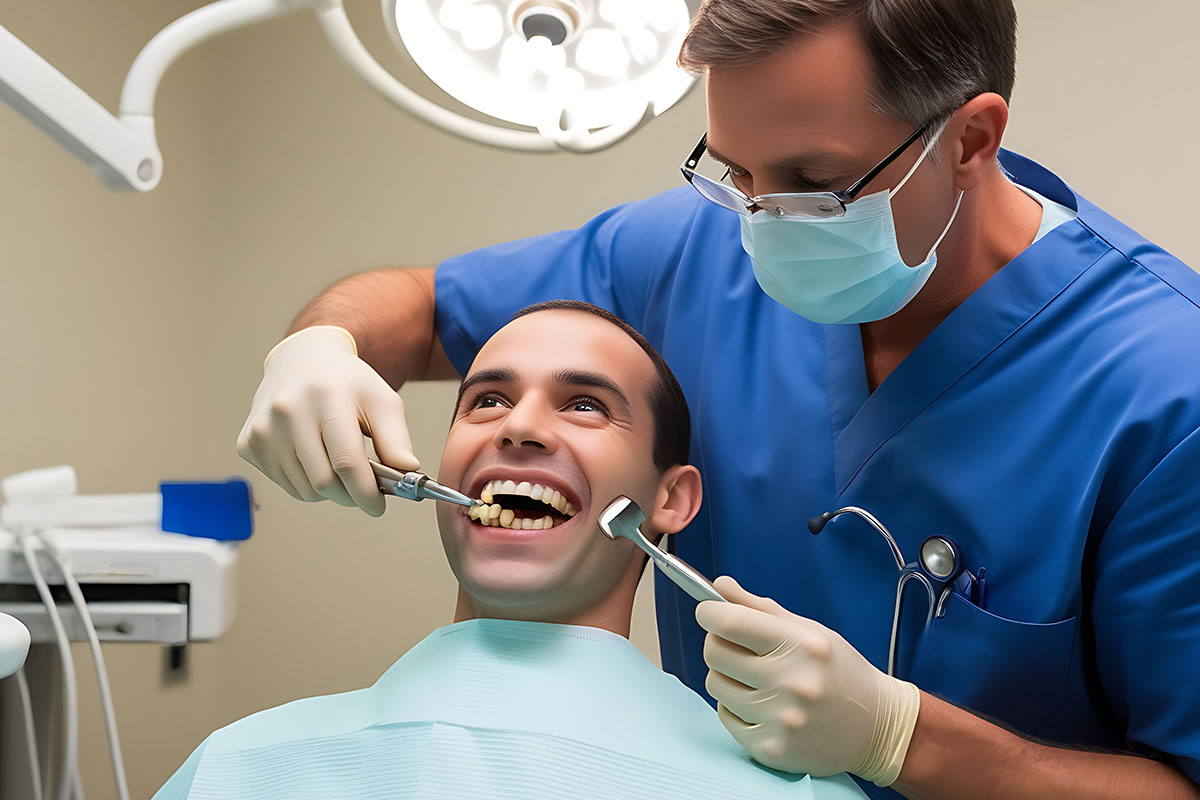
Child dentistry in Bangalore covers dental check-ups, prevention, tooth development, cavities and injuries in infants, children and teenagers. At Santosh Dental Care, the assessment considers your child’s age, oral health, medical history and comfort with treatment. A first visit is recommended when the first tooth appears, and no later than the first birthday. Later visits depend on individual needs. This page explains what parents can expect, which problems need attention and when specialist assessment may help. The right plan starts with an examination rather than choosing a procedure from a list.
Content updated: 12 November 2026.
Pedodontics is a specialised branch of dentistry that focuses on maintaining and improving oral health in children. It includes preventive care, early diagnosis, and timely treatment of dental problems during growth years.
Child dentistry is not just about treating cavities. It also involves monitoring tooth eruption, guiding jaw development, correcting harmful habits, and educating parents about proper oral care at each stage of childhood.
A dentist who focuses on the dental care of children is called a pediatric dentist or pedodontist. The specialty itself is called pedodontics or paediatric dentistry.
Most dental guidelines suggest a first dental visit when the first tooth appears, or by the child’s first birthday. After that, a check-up every six months, or as advised by the dentist, helps catch problems early.
Visit sooner if your child has:
Healthy baby teeth play a crucial role in chewing, speech development, and guiding permanent teeth into the correct position. Ignoring dental issues during childhood can lead to pain, infection, and alignment problems later in life.
Early dental care helps:
Regular check-ups allow issues to be addressed before they become serious.
A general dentist treats patients of all ages. A pediatric dentist completes further training focused on children, covering tooth eruption, jaw growth, behaviour guidance and treatment of milk teeth.
In simple terms, the treatments may look similar, but the approach changes for a child. Appointments are shorter, explanations are simpler, and the plan considers how the teeth and jaws will grow over the coming years.
Children may experience dental problems that are different from adults due to growth and habits. Some issues may not be painful initially but can worsen if untreated.
Common concerns in child dentistry include:
A structured pedodontic evaluation helps identify these issues early.
Pedodontic care at Santosh Dental Care focuses on prevention, timely treatment, and long-term oral health. Each treatment is planned according to the child’s age, cooperation level, and dental condition.
All treatments are performed using child-friendly techniques to reduce anxiety and discomfort.
An orthodontic check by age seven helps assess the developing teeth and bite. The American Association of Orthodontists recommends assessment sooner when a concern is recognised. This is different from the first dental visit, which should happen much earlier.
An early orthodontic examination does not mean every child needs braces. The outcome may be monitoring, treatment later or selected early care. Read about early orthodontic assessment before discussing your child’s needs.
Dental care should be tailored to the child’s age, health and treatment needs. Ask why a procedure is recommended, what alternatives exist and how the dentist will help your child manage it. No visit can promise that every child will feel the same.
The clinician should explain any imaging and comfort measures needed. Tell them about medicines, allergies and relevant health conditions. If sedation or more complex care is being considered, ask who would provide it, what assessment is needed and whether referral is appropriate.
Contact a dentist promptly for tooth pain, facial or gum swelling, a dental injury or difficulty eating because of dental discomfort. Explain when symptoms began and whether they are changing. Baby and permanent teeth may need different management after injury.
Go to the nearest hospital emergency department for swelling that affects breathing, swallowing or speaking, serious facial injury or heavy uncontrolled bleeding. Do not wait for an online booking response in these situations.
Dr Sheetal B Saklecha, MDS in Prosthodontics, Crown and Bridge, leads Santosh Dental Care. Her specialty concerns restoring teeth and oral function.
When booking for your child, ask who will provide the assessment and whether a pediatric dentist is needed. A pediatric dentist has additional specialist training in caring for children. The choice depends on the child’s needs, health, treatment complexity and ability to manage the visit.
Tell the team about previous difficult visits, sensory needs or communication preferences before attending. Confirm any specialist or sedation arrangements directly; availability should not be assumed from a general service page.
The visit should reflect your child’s stage of development and current dental findings. Share what you notice at home, including feeding difficulties, pain, dental habits and changes in how teeth meet.
| Stage | Useful points to discuss |
|---|---|
| First teeth and infancy | First examination, feeding habits and age-appropriate cleaning guidance |
| Preschool years | Decay risk, dental habits and helping the child become familiar with visits |
| Mixed baby and adult teeth | Tooth eruption, early tooth loss and bite development |
| Teenage years | Cleaning, dental injuries, developing teeth and orthodontic care where indicated |
These stages are discussion points, not a fixed list of procedures every child needs. The examination may lead to prevention advice, observation, treatment or referral. Ask what should be reviewed and how you can recognise a change that needs an earlier visit.
Bring previous dental records if readily available. Also tell the team who has parental responsibility and who will attend. If your child needs additional support, discussing this before the appointment helps the clinic plan the assessment.
Regular dental visits during childhood help prevent pain, fear, and costly treatments later. A pedodontic consultation allows early detection of problems and proper guidance for parents.
During your child’s visit, you can expect:
Book your appointment at Santosh Dental Care to support your child’s oral health with confidence.
Costs depend on the examination findings, the treatment proposed and whether care needs several visits or specialist input. Ask about consultation, imaging, treatment and review fees separately. Confirm the estimate and alternatives before treatment begins.
Arrange the first visit when the first tooth appears, and no later than the first birthday. Seek care sooner for pain, swelling or injury.
They help with eating, speech and the development of the adult teeth. The dentist assesses a problem tooth rather than assuming it can safely be left untreated.
The dentist recommends a review interval based on your child’s findings and risk. A child with an active problem may need a different schedule from a routine check-up.
No. An orthodontic check assesses tooth and jaw development. It may lead to monitoring, later treatment or selected early care.
Yes. Tell the team before the visit and explain previous experiences or additional needs. Ask how the assessment will be adapted and whether specialist input is appropriate.
No. Discuss the proposed procedure and comfort measures with the clinician. The plan should consider your child’s health, understanding and cooperation.
No. These are different specialties. Ask who will treat your child and what qualifications and experience are relevant to the planned care.
American Academy of Pediatric Dentistry: parent questions; American Dental Association: the first dental visit; American Association of Orthodontists: early assessment.
Planning your visit
Call to confirm current clinic hours and appointment availability before travelling.
088674 00630

Our caring team is dedicated to your dental health and comfort. Reach out for appointments, questions, or support—your smile is our priority.
Copyright © 2026 All Rights Reserved.
Designed, built and promoted by Tensys Innovation