
Dental Braces for Controlled, Predictable Teeth Alignment
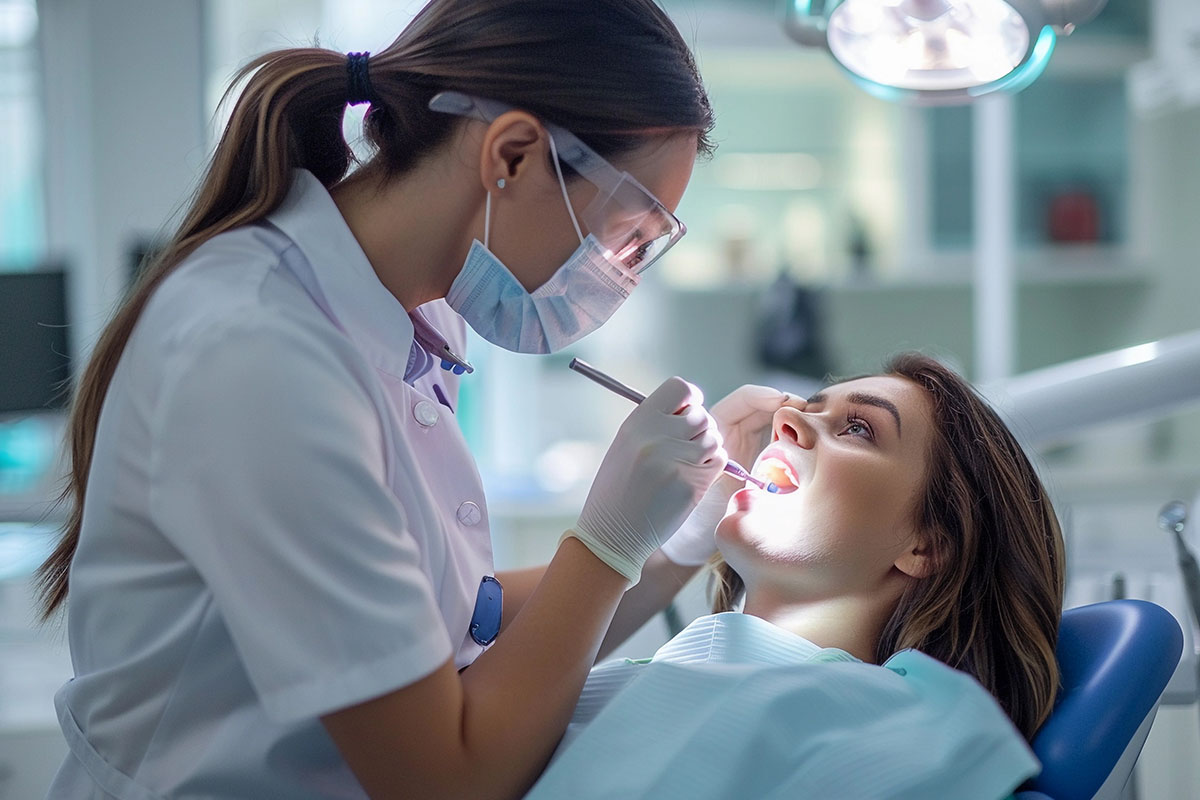

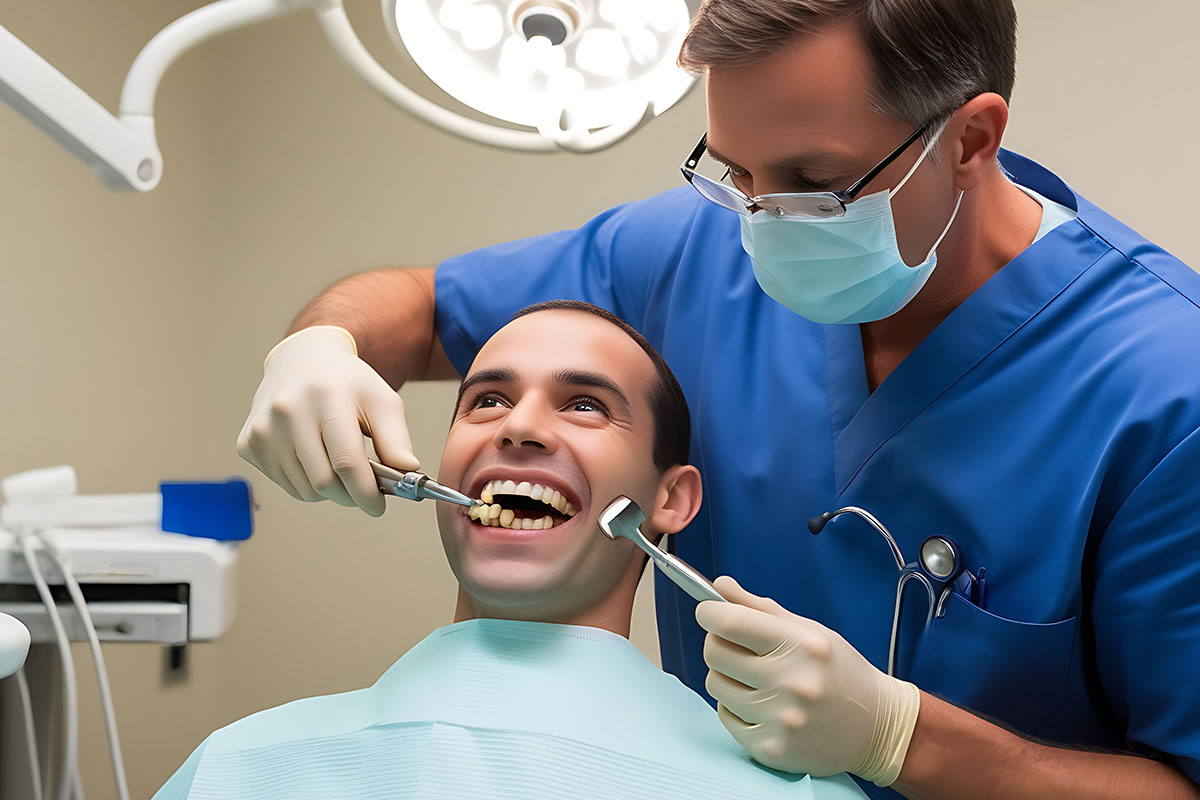
Dental braces help move crowded, spaced or misaligned teeth and can improve how the teeth meet. Fixed brackets and wires apply controlled pressure, with regular reviews to guide progress. However, the right treatment depends on your teeth, gums and bite.
At Santosh Dental Care in Frazer Town, Bangalore, you can arrange an assessment to discuss braces and other suitable options. Before starting, ask about the clinician supervising treatment, the proposed appliance, risks, estimated duration and full fees. Retainers are also an important part of the plan. This page explains what to consider before choosing treatment.
Dental braces move existing teeth into better positions. Small brackets attach to the teeth, and a connecting wire applies controlled pressure. The treating clinician adjusts this system as the teeth move. Unlike a replacement tooth, a brace works with the teeth already in your mouth.
However, straight-looking front teeth are only one part of treatment. Your assessment also checks how the upper and lower teeth meet. Therefore, the plan considers tooth position, bite and oral health together. The recommended appliance depends on the movements needed, rather than appearance alone.
Braces may help people with crowded, spaced, protruding or rotated teeth. They may also form part of treatment for some bite problems. However, not every irregular tooth needs treatment, and not every jaw problem can be managed with braces alone.
Children, teenagers and adults can be assessed. For a growing child, timing depends on dental development and the problem being assessed. Adults also need an assessment of gum health and supporting tissues before treatment.
Active tooth decay and gum disease need attention before braces are fitted. Brackets and wires create extra cleaning challenges. As a result, starting with untreated disease can increase the risk of avoidable damage.
Tell the clinician about previous dental injuries, loose teeth, gum bleeding and any ongoing treatment. Also share relevant medical conditions and medicines. These details help the team decide whether further care or coordination is needed first.
If cleaning is difficult, ask for a practical demonstration before treatment begins. The clinician may recommend treating cavities, stabilising gum problems or improving daily cleaning before moving ahead. A delay for these reasons protects the foundations needed for orthodontic care.
Treatment starts with an assessment and a plan. The clinician examines your teeth, gums and bite. Photographs, scans, impressions or X-rays may be recommended when needed. These records help explain the problem and compare suitable options.
Before agreeing, ask who will supervise treatment and whom to contact if a bracket or wire breaks. Fitting braces is not necessarily part of the first visit.
These options differ in visibility, removal and the way treatment is managed. However, the most suitable choice depends on the movements needed and your ability to follow the plan.
| Option | Main feature | What to discuss |
|---|---|---|
| Metal braces | Fixed brackets connected by a wire | Cleaning, adjustments and the planned tooth movements |
| Ceramic braces | Fixed brackets with a less noticeable appearance | Suitability, bracket care and appearance |
| Clear aligners | A series of removable trays | Wear requirements, suitable movements and additional appliances if needed |
Explore our metal braces, ceramic braces and clear aligner information. An assessment is needed before choosing between them.
The duration varies with the starting tooth positions, bite and treatment goals. Your clinician can give an estimate after assessment. However, that estimate may change as treatment progresses.
Regular reviews, appliance care and following the agreed instructions matter. Broken brackets, missed visits or untreated oral health problems can interrupt progress. Therefore, ask about the review schedule before starting, especially if travel or work may affect attendance.
A shorter treatment promise is not enough to judge a plan. Ask which changes are included, which limitations remain and how the final bite will be assessed. Also check whether the quoted time refers only to active treatment or includes the retention stage.
Temporary soreness can occur after fitting or adjusting braces. Brackets or wires may also irritate the cheeks or lips. However, severe or persistent pain, swelling, an injury or a broken appliance needs advice from the treating team.
Braces make careful cleaning especially important. Plaque around brackets can contribute to decay, enamel marks and gum inflammation. Some patients may also face risks involving gum recession or changes to tooth roots. Your clinician should explain the risks that apply to your teeth and gums.
Ask how progress will be monitored and how to report a problem. Do not attempt to tighten wires or move teeth yourself. Contact the clinic if an appliance breaks instead of waiting without advice.
Your daily routine needs to protect both the teeth and the appliance. Ask the clinician to demonstrate cleaning around brackets and under wires. Continue routine dental check-ups during orthodontic care, because adjustment visits do not replace general dental care.
Hard or sticky foods can damage fixed braces. Meanwhile, frequent sugary foods and drinks can increase decay risk. Discuss sensible food choices and cleaning tools suited to your appliance.
If you play contact sports, ask about a suitable mouthguard. Also tell the team if you struggle with cleaning, eating or keeping appointments. Raising these problems early helps the clinician give practical support rather than discovering difficulties after damage has occurred.
Teeth can move after braces are removed. Retainers help maintain their corrected positions, so retention should be discussed before active treatment starts. Long-term wear is commonly recommended, but the schedule depends on your plan.
Retainers may be removable or fixed behind the teeth. Each type needs appropriate cleaning and checks. Therefore, ask how to wear and care for yours, what to do if it feels different and whom to contact for repairs.
A lost, damaged or loose retainer should be reported promptly. Do not force a retainer that no longer fits. The team can assess whether a repair, replacement or further review is needed.
Contact Santosh Dental Care in Frazer Town to discuss a braces assessment. Explain your concern and bring details of previous dental treatment if available. You can also view Dr. Sheetal B Saklecha’s profile. Ask the clinic who will assess and supervise your orthodontic treatment.
Before starting, request a clear explanation of the appliance, review schedule, estimated duration and total fee. Check whether investigations, adjustments, retainers and repairs are included. Costs depend on the agreed plan; a website estimate cannot replace an individual assessment.
Call 088674 00630 to check appointment availability and discuss the next step.
Patient information references: NHS braces guidance; British Orthodontic Society: aligners; retainers; orthodontic risks.
FAQS
Dental braces are used to align teeth, correct bite problems, and improve overall dental function.
Yes. Dental braces are effective for adults as well as teenagers.
Mild discomfort may occur after adjustments, but it usually settles within a few days.
Treatment duration depends on alignment severity and bite complexity.
Most patients adapt quickly, with minor dietary adjustments initially.
We always take care of your smile
088674 00630

Our caring team is dedicated to your dental health and comfort. Reach out for appointments, questions, or support—your smile is our priority.
Copyright © 2026 All Rights Reserved.
Designed, built and promoted by Tensys Innovation